GPT-6 Brings Intelligent UI to ChatGPT
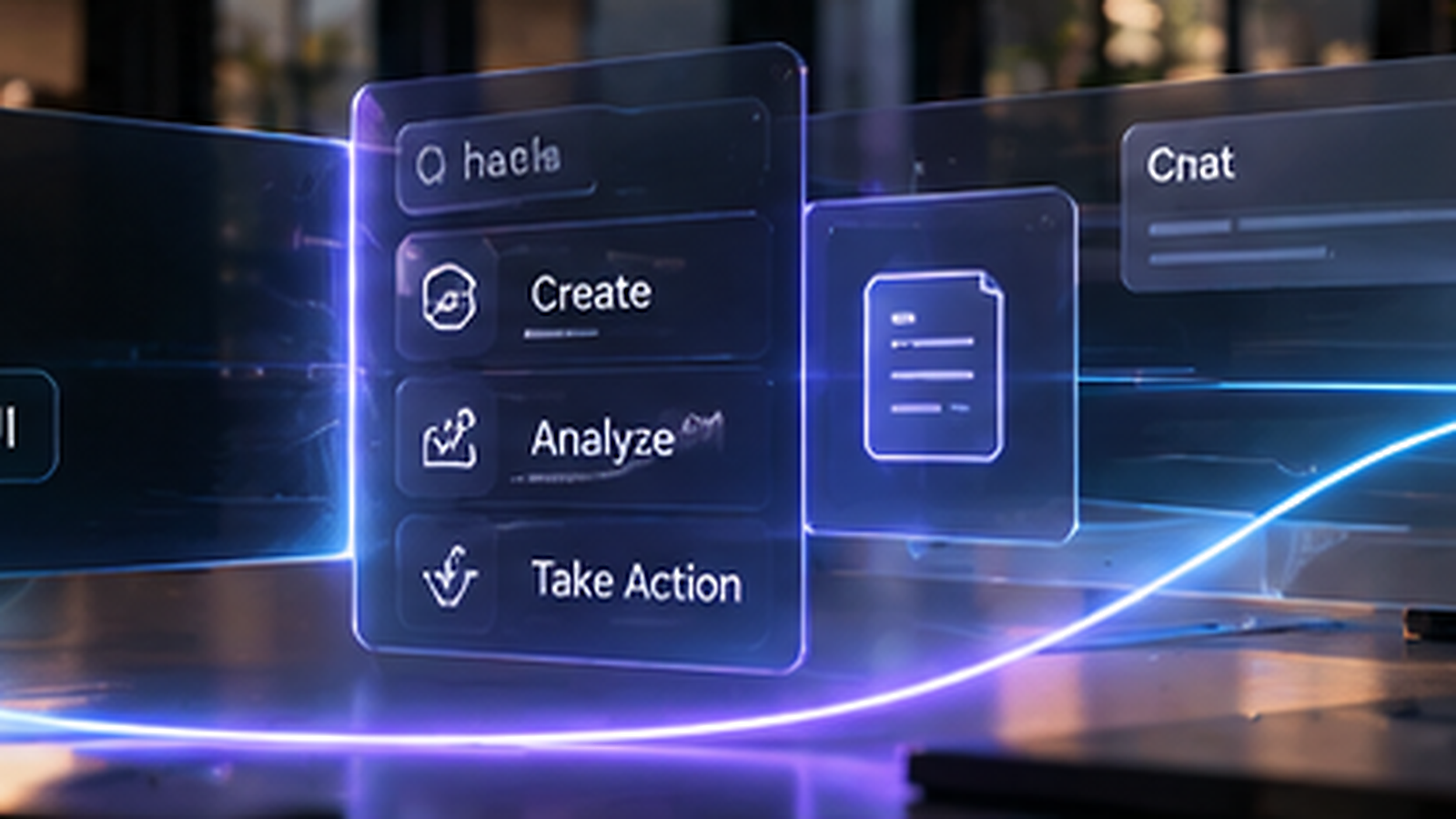
OpenAI is rolling GPT-6 into ChatGPT with a new capability called Intelligent UI. Instead of answering every question with the same chat layout, GPT-6 can choose to combine text with diagrams, charts, buttons, forms and interactive tools when those formats fit the task better.
The update matters because it changes the interface, not only the model. Chat assistants have traditionally asked users to adapt their work to a fixed conversation box. Intelligent UI moves in the opposite direction: the software can shape part of the interface around what the user is trying to do.
What Intelligent UI changes
OpenAI says GPT-6 can compose responses using a mix of text, visuals and interactive elements. A comparison can become a side-by-side layout, a complex explanation can use a diagram, and a practical calculation can become an interactive tool inside the conversation.
The system can still return plain text when that is the clearest format. The point is not to make every response visual; it is to let the interface match the problem.
Interactive responses reduce the gap between answer and action
Traditional chat often ends with instructions that the user then has to carry out somewhere else. Interactive UI can move some of that work into the answer itself, such as changing values, exploring a diagram or using a generated calculator.
That can make AI more useful for tasks where the user needs to test options rather than simply read an explanation.
GPT-6 can begin responding before it finishes
OpenAI also says GPT-6 can start answering while it continues thinking or using tools, then add more information without requiring another prompt.
That changes perceived latency because users can begin reading useful parts of the answer earlier instead of waiting for the entire process to finish.
The rollout reaches Free and Go on October 8
OpenAI began the GPT-6 rollout on October 7 for Plus, Pro, Business and Enterprise users in the Chat tab. Free and Go users begin receiving access on October 8.
OpenAI says paid tiers use GPT-6 Sol for the Chat experience while Free and Go use GPT-6 Luna. Work and Codex are not changing as part of this release.
Adaptive interfaces could change software design
Most software has historically presented a fixed interface and required users to learn where each control lives. Intelligent UI points toward software that assembles controls around the current task instead.
That does not remove the need for deliberate product design. Generated interfaces still need to be understandable, accessible and predictable enough that users know what will happen when they interact with them.
What creators and tool builders should watch
For creators, dynamic UI could make research, planning, comparison and learning workflows more visual without requiring a separate application. For software makers, it raises a larger question about which parts of an interface need to remain permanent and which can become task-specific.
The strongest use cases will be the ones where the generated interface reduces friction rather than adding decoration.
Sources and further reading
Read OpenAI's GPT-6 and Intelligent UI announcement
Read the official ChatGPT release notes
Explore more articles on the Nejma Blog
GOT ANY QUESTIONS LEFT?
Intelligent UI lets GPT-6 combine text with visuals and interactive elements such as charts, forms, buttons, diagrams and small tools when those formats better fit the request.
OpenAI says the rollout expands to Free and Go users on October 8, 2026.
No. OpenAI says this release applies to the Chat experience and does not change the models powering Work or Codex.





